
A Lesson in Humility for The Big Cheeses
Updated: Apr 2
Maundy Thursday 2026
A Lesson in Humility for The Big Cheeses - (One They Refuse to Learn)
I keep reading about the Big Cheeses — the power/control freaks who populate The EU Fonctionnaire Blob. They’re clutching their pearls, presently, at the mere spectre of the disasters they so pompously and stupidly created in that Eurozone.
A simple law in physics would work to teach those putrid potentates that the more you crimp a hose — with running water — to stop the flow — for the weird weird thrill of gaining more power over the peasants — the more pressure builds up, and then the blowout — or Revolution!
The EU Emperors, Empresses and Autocrats, however, refuse to learn any worthwhile lesson. I guess the thinking just isn’t there; it’s all hubris, arrogance, and — orgueil as the French say. Pride goeth before a fall, you know.
On this Holy Day that commemorates the Last Supper, I offer this piece of history, French history to be precise, to celebrate The Peasant — wherever you may be — and the ingenuity that the Overlord so garishly lacks.
Chapter 72 of THE DAWN

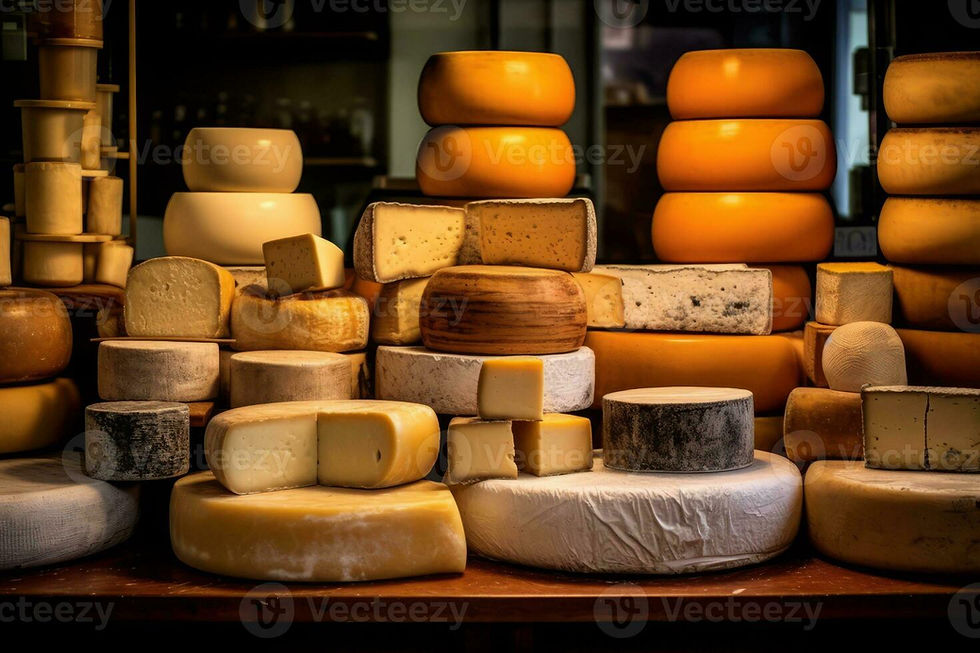
Artur ate a small portion of the tapenade with the vegetables, but he was not accustomed to the levels of garlic and oil in these foods. He carried his green ceramic plate from place to place along the large, long banquet table. He carefully placed a slice of the brown bread on his plate, and then he wandered to the far side of the table, the side with the more digestible offerings. There, Artur spied, on the platter of dried figs, apricots, melon, and almonds, a delectable display of sliced cheeses. He recognized goat cheese from Madame Charbonnet and the most amazing sights: Reblochon and summer Beaufort, cheese from the Savoie region of France.
Pascal followed Artur to this end of the table. He smiled as Artur glanced inquiringly at him. To express his delight, the restaurateur stretched out his arm, pointed his right thumb up, and then moved the thumb down slightly. Smiling, Pascal rolled his eyes toward the cheeses, and said, “Au poil!” They’re fantastic!

“I have never seen those two cheeses in Provence,” Artur said in a confidential tone to Pascal.
Pascal took the elbow of Artur and stepped away from the table with him. He whispered, “The soft one with the orange rind is Reblochon. If you have the time, I will gladly tell you a story about this cheese, monsieur.”
“Mais bien sûr,” Artur smiled. He then waited for Pascal to indulge both of them in a tale of half-truth, half-invention. Artur would never truly know which was which. This story, however, involved taxation, ingenuity, and the shrewd fortitude of the French peasant. A summary follows:
For centuries in France, the peasant has been taxed. He has learned how to evade those taxes or, at least, how to reduce them. Decades ago, in the Savoie, the mountain peasants were taxed by landowners through an allotment of the milk production. This region, the Savoie, is very rich in cows, and also very rich in tax trickery.

The peasant would only partially, or half-milk his cows for the tax collector. This official would therefore receive only a portion, or half, of the entire quantity of milk. The taxman left with this initial milk that had been retrieved from the cow udders. He was utterly unaware that there was more milk, waiting to be expressed from the udders of the bovine creatures. He’d even swaggered a bit in leaving the farm because he’d believed that he’d measured the entire yield of this peasant’s milk for the landowner. He was certain of getting the most impost, or l’impôt, possible. In fact, the tax collector had left with only half of l’impôt, or tax.
Once the taxman had left the farm with his poorer grade of milk, the cows were promptly and fully milked a second time or, in the Franco-Provençal language, rebloché. This second milking produced the richest milk which was traditionally used by dairymaids for cheese. Thus, this mild farmhouse cheese, Reblochon, was created through the successful evasion of a tax.


